MicroeSIM Review for Travelers Practical Steps and Pitfalls
10/10/2026
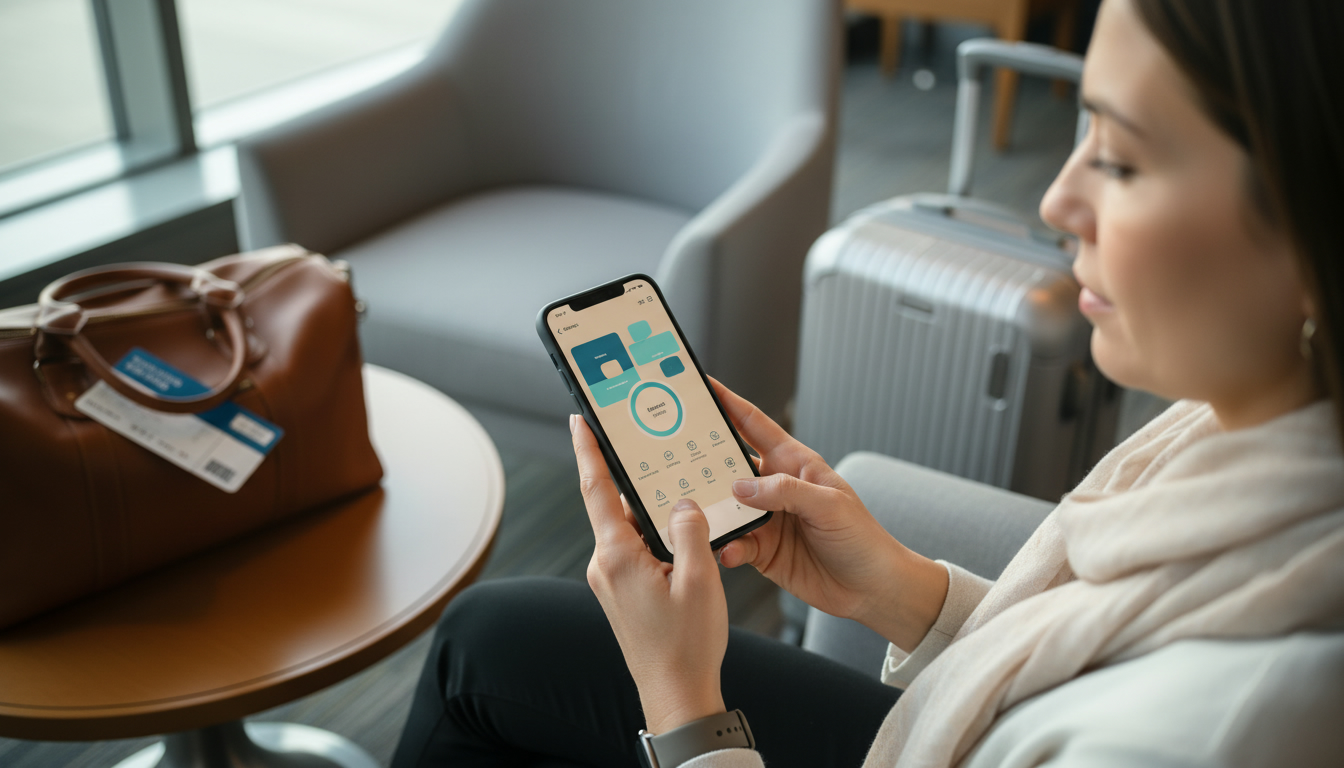
MicroeSIM Review: A Traveler’s Practical Guide to Using MicroeSIM for International Data
Switching to a microeSIM for international travel can save you the hassle of swapping physical SIM cards and potentially cut roaming costs. But is it worth it?
From activation to real-life usage, I’ll walk you through what to expect with MicroeSIM, highlighting the pitfalls and tips that only someone who’s navigated this terrain can share.
Real-Life Activation and Setup: What to Expect
The first step in using a MicroeSIM is activation, which is generally done by scanning a QR code provided after purchase. I always start by checking if my phone supports eSIM technology; not all devices do, and trying to activate a microeSIM on an incompatible phone is a dead end. You can verify compatibility with tools like the one I recommend on how to check if your phone is eSIM compatible.
Activation Steps and Common Pitfalls
- Purchase the Plan: MicroeSIM offers prepaid data plans with transparent pricing—no hidden fees. For example, their 3-day plans for countries like Malaysia, Thailand, and Singapore cost around $0.86 per 1 GB of data, according to MyBestSim’s verified data.
- Scan the QR Code: The QR code activates the eSIM profile on your device. The trap here is rushing this step while connected to unstable Wi-Fi; if the connection drops mid-activation, the profile might not install correctly.
- Set Your Data Plan: After installation, assign the microeSIM as your primary or secondary data source depending on your phone’s settings.
- Test Connectivity: Before leaving Wi-Fi coverage, test that your mobile data works without issues.
A frequent mistake travelers make is activating their microeSIM too close to departure or in an area with poor internet access. This leads to activation failures or delays that can disrupt travel plans.
What Worked in Practice
On trips where I activated MicroeSIM well before leaving home, I avoided last-minute stress. The activation process took under five minutes when done on stable Wi-Fi, confirming that preparation is key.
Coverage and Reliability: What You Should Know
One concern many have is whether microeSIM connections are as reliable as traditional SIM cards. From what I’ve observed and from user feedback on platforms like Reddit and Trustpilot, MicroeSIM generally provides solid coverage in popular travel destinations.
The Mechanism Behind Coverage Variability
Coverage depends on the local mobile networks that MicroeSIM partners with. When you buy a plan, you’re essentially buying access to these networks via virtual provisioning governed by GSMA specification SGP.22, which standardizes remote eSIM provisioning.
- Condition: If you’re in a remote or rural area where partner networks are weak,
- Mechanism: your microeSIM will switch between available networks or fall back to roaming,
- Consequence: resulting in slower speeds or intermittent connectivity.
This switching mechanism is automatic but can cause brief drops in service during transitions between network towers or providers.
Reliability Compared to Traditional SIM Cards
I’d advise against assuming a microeSIM will always outperform a physical SIM card in coverage because physical SIMs sometimes have direct contracts with local carriers offering better priority on networks. However, for most urban and tourist areas, MicroeSIM’s partnerships ensure comparable service quality.
Cost Efficiency and Data Plans: How Much Can You Save?
MicroeSIM’s prepaid plans are priced competitively for short-term travel data needs. According to MyBestSim data:
| Destination | Data Allowance | Duration | Price (USD) |
|---|---|---|---|
| Malaysia | 1 GB | 3 days | 0.86 |
| Thailand | 1 GB | 3 days | 0.86–0.88 |
| Singapore | 1 GB | 3 days | 0.86–0.88 |
These prices reflect transparent costs without hidden fees—a major advantage over traditional roaming charges that can spike unexpectedly.
Tips for Maximizing Savings
- Choose Prepaid Plans: MicroeSIM offers prepaid options that prevent surprise bills.
- Match Plan Duration with Trip Length: Buying a plan longer than needed wastes money; shorter plans may require multiple purchases but keep costs controlled.
- Stack Discounts When Possible: Some providers allow stacking promo codes; for example, MicroeSIM offers a “MYBESTSIM” code for an additional 10% off unlimited plans through MyBestSim’s platform.
Device Compatibility and Setup Nuances
Not all phones support microeSIMs equally, which can be confusing if you’re new to this technology.
Supported Devices and Limitations
Most recent iPhone models (iPhone XS and later) support dual SIM with one physical SIM and one eSIM profile simultaneously. Android support varies widely by manufacturer and OS version.
- Condition: If your device only supports one eSIM profile at a time,
- Mechanism: switching between profiles requires manual deletion or reinstallation,
- Consequence: this adds friction when traveling between multiple countries frequently.
Additionally, some devices limit simultaneous use of eSIM data while maintaining voice service on a physical SIM, which travelers should consider when planning their setup.
Step-by-Step Setup Guide
- Confirm device compatibility via official manufacturer specs or this compatibility guide.
- Purchase your MicroeSIM plan online.
- Scan the QR code using your phone’s cellular settings.
- Assign the new profile as active for data.
- Disable cellular data roaming on your physical SIM if you want to avoid accidental charges.
- Restart your device if connectivity issues arise after setup.
Advantages of Using a MicroeSIM Over Traditional SIM Cards
The convenience of avoiding physical SIM swaps is often cited as the biggest advantage by travelers who switch to microeSIMs like MicroeSIM.
Key Benefits Include:
- Instant Activation via QR Code: No need to wait for physical delivery.
- Multiple Profiles on One Device: Allows easy switching between carriers without removing cards.
- Reduced Risk of Losing or Damaging Physical SIMs: Especially useful during international trips.
- Cost Transparency: Prepaid plans prevent unexpected roaming fees.
However, I’d caution that this convenience comes with trade-offs in certain edge cases—like limited device compatibility or occasional network switching delays—which travelers should weigh against their priorities.
The Future of MicroeSIM Technology in Travel
MicroeSIM technology is evolving rapidly under GSMA standards like SGP.22 that regulate remote provisioning securely worldwide. As more carriers adopt eSIM-friendly policies and devices improve multi-profile management, expect smoother experiences ahead.
For now, understanding how activation timing, device compatibility, and network partnerships affect your trip will help you avoid common pitfalls and get the most value from MicroeSIM services.
Internal Resources That Helped Me Understand This Better
When diving into microeSIMs for travel, I found detailed technical insights invaluable—especially about activation protocols and device compatibility—such as those explained in this comprehensive eSIM setup guide. It helped me avoid activation failures caused by unstable connections during QR code scanning.
Also, understanding how eSIM technology works at a fundamental level made me appreciate why some connections drop briefly when switching networks; these details are well covered in this article about eSIM technology.
This practical review reflects what any traveler considering MicroeSIM should know before making the switch: activation requires preparation; coverage depends on local networks; costs are transparent but vary by destination; device compatibility matters; and convenience comes with manageable trade-offs rooted in current technology limits governed by GSMA standards like SGP.22.
FAQ
How do I activate a MicroeSIM for international travel?
To activate a MicroeSIM, purchase a prepaid plan and scan the provided QR code using your phone’s cellular settings. Ensure your device supports eSIM technology and activate on stable Wi-Fi to avoid installation errors.
Is MicroeSIM coverage as reliable as traditional SIM cards?
MicroeSIM coverage depends on local partner networks and is generally reliable in urban and tourist areas. However, physical SIMs may offer better priority in some regions, especially rural or remote locations.
What are the cost benefits of using MicroeSIM for travel data?
MicroeSIM offers transparent prepaid plans with competitive pricing, avoiding surprise roaming fees. Matching plan duration to your trip and using promo codes can maximize savings.
Which devices are compatible with MicroeSIM technology?
Most recent iPhones support dual SIM with one physical SIM and one eSIM. Android compatibility varies by manufacturer and OS version, and some devices limit simultaneous eSIM profiles.
What common mistakes should travelers avoid when using MicroeSIM?
Avoid activating your MicroeSIM too close to departure or on unstable internet. Also, check device compatibility beforehand and test connectivity after activation to prevent travel disruptions.

David Mercer
David is a travel and consumer-tech writer focused on getting the lowest price on everything, data plans included. At Discount eSIM he hunts down the biggest verified discounts from the major providers and shows how to stack them at checkout.